Sleep is one of the most fundamental pillars of health and one of the most commonly disrupted. Across Surrey, South Surrey, White Rock, and the Fraser Valley, adults are navigating later nights, earlier alarms, screen-heavy evenings, and the accumulated mental load of busy modern life. When sleep quality suffers, so does everything else: energy, mood, cognitive function, skin health, and physical recovery.
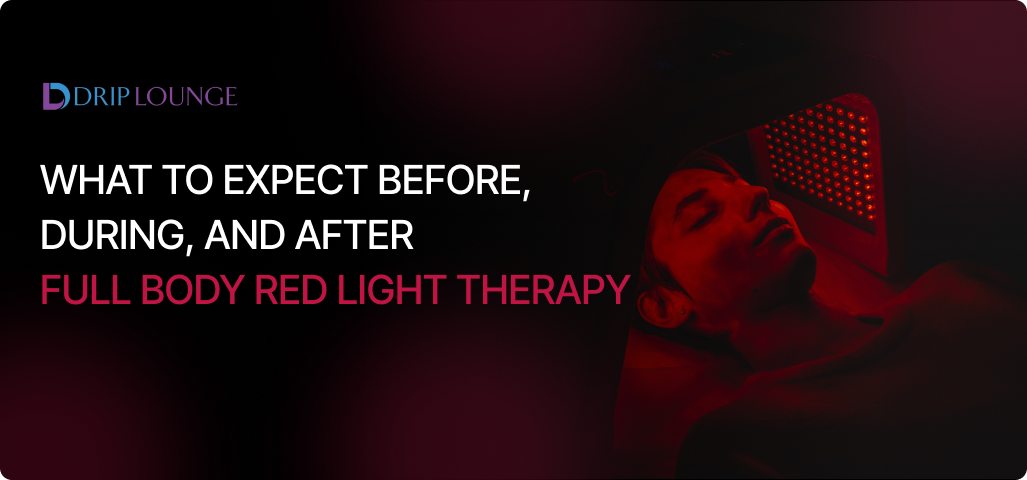
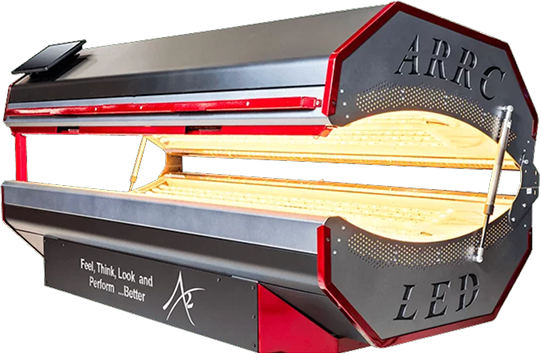
Red Light Therapy for sleep is an emerging area of wellness interest, with a growing number of individuals exploring how low-level red and near-infrared light may interact with the body’s natural sleep and relaxation pathways. At Drip Lounge Surrey, located at 15222 32 Ave Diversion in South Surrey, BC, Red Light Therapy is delivered using the ARRC LED system, a clinical-grade, six-wavelength full-body LED bed overseen by experienced Naturopathic Doctors.
This article explores what the research suggests, how Red Light Therapy may support a healthier sleep routine, what to expect at Drip Lounge Surrey, and how it fits alongside other naturopathic wellness options.
The Science of Sleep and Light: Why Wavelength Matters
Light is one of the most powerful regulators of the human circadian rhythm the body’s internal 24-hour clock that governs when we feel alert and when we feel sleepy. The type of light the body is exposed to in the hours before sleep has a significant influence on the quality of that sleep.
Most modern indoor lighting and screen-based devices emit blue light wavelengths in the 400 to 490nm range. Blue light is biologically stimulating. It signals to the brain that it is daytime, suppressing the production of melatonin, the hormone that initiates and sustains sleep. The result of heavy evening blue light exposure is a delayed, shallower, and less restorative sleep cycle.
Red light sits at the opposite end of the visible spectrum. At wavelengths of 630 to 670nm, red light does not appear to suppress melatonin in the same way blue light does. Near-infrared light at 810 to 940nm is invisible to the eye and penetrates beyond the skin surface into deeper tissue. The table below illustrates how different light types interact with sleep biology:
| Light Type | Wavelength Range | Effect on Sleep Hormones |
| Blue light (screens, LEDs) | 400–490nm | Suppresses melatonin production; associated with delayed sleep onset |
| White / overhead light | Broad spectrum | Stimulating; not conducive to winding down in the evening |
| Red light (630–670nm) | 630–670nm | Does not appear to suppress melatonin; may support a calmer pre-sleep environment |
| Near-infrared (810–940nm) | 810–940nm | Invisible to the eye; deepest tissue penetration; associated with relaxation and cellular recovery |
This distinction between light that disrupts sleep hormones and light that may leave them undisturbed — is a central reason why Red Light Therapy before bed is explored as a sleep-supportive wellness practice. It offers the body exposure to wavelengths that are consistent with winding down rather than revving up.
Red Light Therapy, Melatonin, and the Relaxation Response
Melatonin and the Sleep-Wake Cycle
Melatonin is produced by the pineal gland in the brain in response to darkness. Its production signals to the body that the sleep window is approaching lowering core body temperature, reducing alertness, and preparing the nervous system for rest. Any light exposure that mimics daylight particularly blue-spectrum light may delay or reduce melatonin production, making it harder to fall asleep at a natural time.
Red light at 630 to 670nm does not carry the same suppressive effect on melatonin as blue light. Some studies exploring Red Light Therapy at night have observed that participants maintained melatonin levels more consistent with healthy sleep onset following red light exposure compared to conventional indoor lighting.
The Relaxation Response and Near-Infrared Light
Beyond melatonin, Red Light Therapy may support relaxation through its interaction with the autonomic nervous system. Near-infrared wavelengths in particular may support a shift toward parasympathetic nervous system activity the “rest and digest” state that is the physiological opposite of the stress response.
Many clients at Drip Lounge Surrey who explore Red Light Therapy at night describe feeling noticeably calmer and more physically settled after their session. While these are personal, anecdotal observations, they are consistent with the proposed mechanisms of near-infrared light and its influence on cellular energy and nervous system tone.
Cellular Recovery During Sleep and Red Light Therapy
The body does a significant portion of its cellular repair and regeneration during sleep. Growth hormone release, immune activity, tissue repair, and memory consolidation are all sleep-dependent processes. Red Light Therapy may support some of these underlying cellular processes by stimulating mitochondrial energy production, potentially leaving the body in a better position to undergo deep restorative processes during sleep.
Red Light Therapy Before Bed: How to Approach It at Drip Lounge Surrey
For those exploring Red Light Therapy before bed as part of a sleep wellness routine, timing and consistency are the most practically important factors. The ARRC LED session at Drip Lounge Surrey lasts between 10 and 20 minutes brief enough to fit into an evening without disrupting the wind-down process itself.
Many clients who explore Red Light Therapy at night schedule their sessions in the early evening, allowing time to return home and transition into a calm pre-sleep environment before their intended bedtime. The experience inside the ARRC LED bed is quiet, warm, and relaxing naturally conducive to the kind of mental deceleration that supports better sleep.
Every session at Drip Lounge Surrey begins with a brief intake consultation with a Naturopathic Doctor. For clients exploring Red Light Therapy for sleep support, this conversation may touch on sleep hygiene habits, lifestyle factors, and whether combining Red Light Therapy with other wellness services such as IV Therapy may be appropriate.
Building a Sleep-Supportive Evening Routine Around Red Light Therapy
Red Light Therapy is most effective for sleep wellness when it is part of a broader, intentional evening routine rather than a standalone intervention. The table below outlines how Red Light Therapy may be positioned alongside other evidence-informed sleep hygiene practices:
| Evening Wellness Practice | How It Supports Sleep | Pairing with Red Light Therapy |
| Red Light Therapy session | May support melatonin pathways; promotes calm | The anchor 15–20 minutes, 60–90 mins before bed |
| Screen-free wind-down | Reduces blue light suppression of melatonin | Follow your session with no-screen time for deeper effect |
| Light stretching or breathing | Activates the parasympathetic nervous system | Combine with or immediately after your session |
| Hydration | Supports cellular processes active during sleep | Drink water after each Red Light Therapy session |
| Consistent sleep schedule | Anchors the circadian rhythm over time | Keeps Red Light Therapy sessions at a consistent evening time |
Residents of South Surrey, White Rock, Langley, and the Fraser Valley who visit Drip Lounge Surrey in the early evening often report that the session itself functions as a psychological anchor for their wind-down a deliberate, committed act of slowing down before the end of the day.
Red Light Therapy for Insomnia: Managing Expectations Honestly
It is worth addressing this directly: Red Light Therapy is not a treatment for insomnia. Insomnia is a clinical sleep disorder that may have multiple contributing causes including anxiety, pain, sleep apnoea, medications, and underlying health conditions. Anyone experiencing persistent, significant sleep disruption should consult a qualified health professional for a proper assessment.
What Red Light Therapy may offer is supportive, non-pharmaceutical wellness input for individuals whose sleep quality is impacted by poor sleep hygiene, elevated stress, screen exposure, or circadian disruption rather than a diagnosed sleep disorder. For this population which is a meaningful proportion of adults across Surrey and the Lower Mainland incorporating Red Light Therapy before bed as part of a conscious evening routine may be a worthwhile exploration.
The Naturopathic Doctors at Drip Lounge Surrey are well-placed to help you understand whether Red Light Therapy aligns with your specific sleep situation and whether other naturopathic approaches may be relevant alongside it.
The ARRC LED System at Drip Lounge Surrey: Six Wavelengths for a Fuller Experience
When exploring Red Light Therapy for sleep and relaxation, the quality and completeness of the light delivery matters. The ARRC LED bed at Drip Lounge Surrey delivers six wavelengths simultaneously spanning both the red and near-infrared ranges most associated with relaxation, cellular recovery, and melatonin-neutral light exposure. Most standard beds operate on two wavelengths.
| Feature | Standard RLT Bed | ARRC LED — Drip Lounge Surrey |
| Wavelengths | Typically 2 | 6 simultaneous wavelengths |
| Body coverage | Front or back only | Full-body canopy both sides simultaneously |
| UV exposure | Low or none | Zero fully outside the UV spectrum |
| Session length | Variable | Typically 10–20 minutes efficient and concise |
| Supervision | Rarely included | Naturopathic Doctor oversight every session |
For clients exploring Red Light Therapy at night in Surrey, the full-body canopy design means the entire body receives exposure in a single session, supporting both the physiological and psychological experience of deep relaxation. Combined with zero UV output and Naturopathic Doctor oversight, the ARRC LED system offers one of the most comprehensive sleep-supportive Red Light Therapy experiences available in the Fraser Valley.
Pairing Red Light Therapy with IV Therapy for Relaxation and Recovery at Drip Lounge Surrey
Many clients at Drip Lounge Surrey who explore Red Light Therapy for sleep and relaxation also incorporate IV Therapy as part of a broader evening wellness approach. Some relevant combinations include:
- Myers Cocktail IV – magnesium included in this formulation may support muscle relaxation and nervous system calming, which may complement the relaxation response from Red Light Therapy
- NAD+ IV – cellular energy support that may improve the quality of restorative processes during sleep
- IV Hydration – adequate hydration supports deep sleep; arriving at bedtime well-hydrated may improve sleep quality
All service combinations are discussed with a Naturopathic Doctor at Drip Lounge Surrey before proceeding.
Frequently Asked Questions
How may Red Light Therapy support better sleep?
Red Light Therapy may support sleep by exposing the body to wavelengths that do not suppress melatonin production the way blue light does. Near-infrared light may also promote a shift toward parasympathetic nervous system activity the relaxed, calm state that supports sleep onset. Using it in the early evening as part of a consistent routine is the most commonly explored approach.
Does red light therapy really work for sleeping?
Research in this area is active and encouraging, though not conclusive. Some studies have found improvements in sleep quality, sleep onset, and melatonin levels in participants using red light consistently over several weeks. Individual results vary significantly, and Red Light Therapy is not a sleep treatment. It is a wellness modality that may support better sleep as part of a broader healthy evening routine.
Is it better to do red light therapy at night or in the morning?
For sleep-specific goals, evening sessions are generally more consistent with the proposed mechanism supporting melatonin pathways and a calming physiological response. Morning sessions may suit other wellness goals such as energy and skin health. Consistency matters most. Your Naturopathic Doctor at Drip Lounge Surrey may help you decide based on your personal schedule and sleep goals.
How does red light therapy support relaxation?
Near-infrared wavelengths may support a shift from sympathetic (alert, stress) to parasympathetic (rest, calm) nervous system activity. The ARRC LED bed experience itself quiet, warm, and still for 10 to 20 minutes also provides a natural psychological wind-down. Many clients report feeling noticeably calmer after their session.
Is Red Light Therapy something that fits into a bedtime routine?
Yes for many clients, it becomes the anchor of their evening wellness routine. A session at Drip Lounge Surrey in the early evening, followed by a screen-free wind-down at home, supports both the physiological and behavioural elements of good sleep hygiene. It is brief enough to incorporate regularly without disrupting your schedule.
How long should you use red light therapy for sleep?
Sessions at Drip Lounge Surrey last 10 to 20 minutes. For sleep support, many individuals explore a consistent series of sessions over four to eight weeks before assessing whether changes in sleep quality are noticeable. Your Naturopathic Doctor may recommend a session schedule tailored to your goals.
How often should you use red light therapy for sleep?
Two to four sessions per week is a common starting point for individuals exploring Red Light Therapy for sleep and relaxation at Drip Lounge Surrey. Frequency is guided by your Naturopathic Doctor based on your sleep goals, lifestyle, and how your body responds over time.
May Red Light Therapy support a more relaxing evening routine?
Many clients report that the act of scheduling and attending a Red Light Therapy session creates a deliberate transition point in their evening, separating the active, screen-heavy part of the day from the calmer period before sleep. Combined with the physiological effects of near-infrared light on the nervous system, it may meaningfully contribute to a more intentional and restorative evening routine.
Red Light Therapy for Sleep in Surrey, BC: A Wellness Option Worth Exploring
Sleep is not a passive state; it is where the body does some of its most important work. And the conditions we create in the hours before sleep significantly influence what that sleep looks like. Red Light Therapy for sleep and relaxation offers a non-invasive, evidence-informed wellness approach that addresses one of the key environmental disruptors of modern sleep: the wrong kind of light at the wrong time of day.
At Drip Lounge Surrey, the ARRC LED system delivers six wavelengths across the entire body in a single brief session, supervised by Naturopathic Doctors who help tailor the approach to your individual sleep and wellness goals. For residents across South Surrey, White Rock, Langley, and the broader Fraser Valley, it is a genuinely considered option for those looking to invest in better sleep through a naturopathic wellness lens.
Curious about Red Light Therapy for sleep in Surrey, BC?
Speak with the Drip Lounge Surrey team to explore whether ARRC LED Red Light Therapy may support your sleep quality and evening wellness routine.
Visit driplounge.ca or call +1 604-630-5813 to book your consultation.